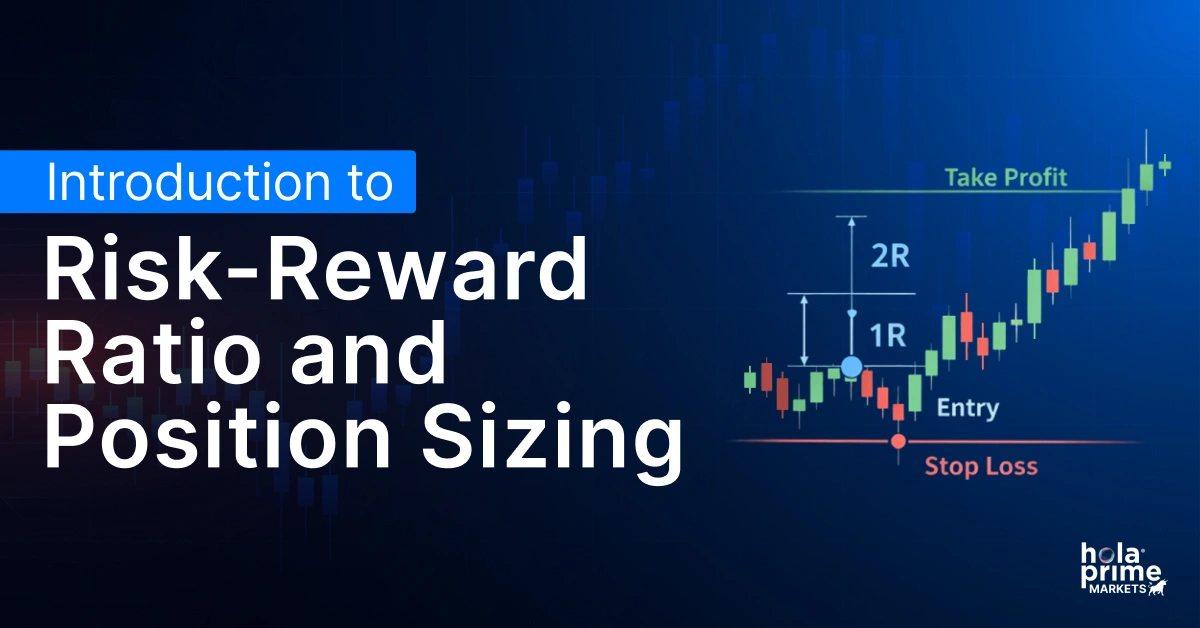
If there’s one thing that separates traders who survive from traders who burn out fast, it’s this: They understand risk before they think about reward. Most beginners focus on how much they can make. Experienced traders focus on how much they’re willing to lose. That shift in mindset changes everything, and it starts with two ideas:
- risk–reward ratio
- position sizing
Let’s break both down in a simple, practical way that actually helps you trade better.
What is the Risk–Reward Ratio in Trading?
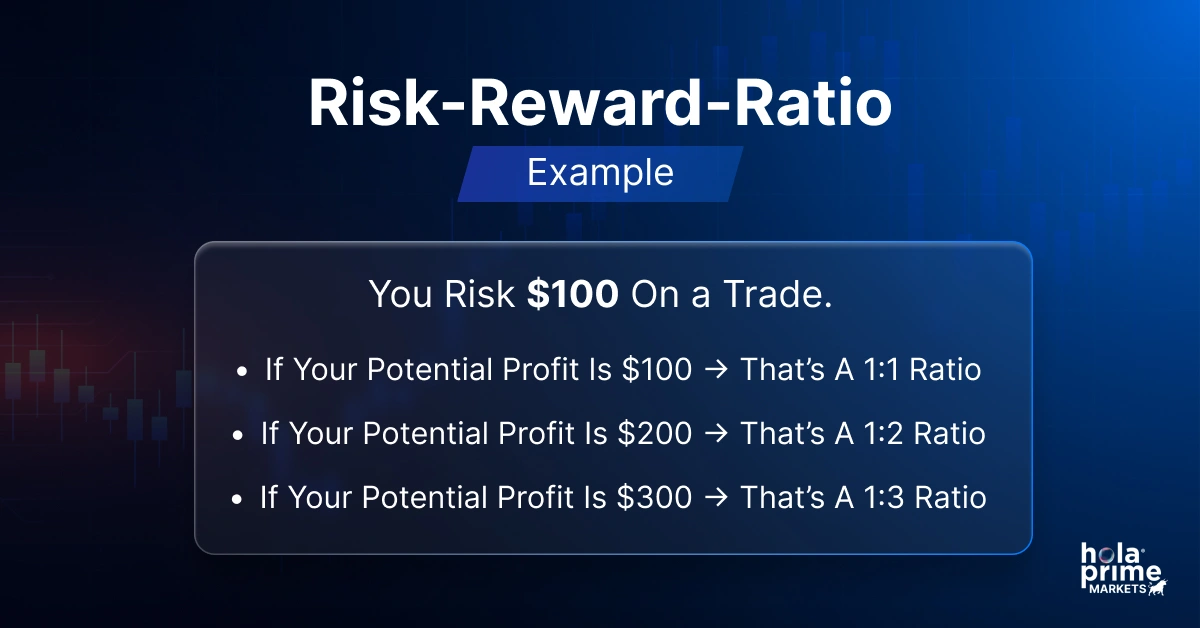
The trading risk–reward ratio compares:
- how much you risk on a trade
- versus how much you expect to make
It’s usually written like this:
- 1:1
- 1:2
- 1:3, and so on
Why Risk - Reward Ratio Matters More Than Win Rate
Here’s something many beginners don’t realize: Whether you trade futures, forex or commodities, you don’t need to win most of your trades to be profitable. If you:
- risk 1 unit
- make 2 or 3 units when you win
You can still make money even with a modest win rate. For example:
- 5 losses at 1 unit = –5
- 3 wins at 2 units = +6
You’re profitable - even though you lost more trades than you won. That’s the power of good risk–reward.
What Is the Best Risk-Reward Ratio in Trading?
There’s no single “perfect” number. But in general:
- 1:1 is usually too tight for most traders
- 1:2 is a healthy minimum
- 1:3 or higher is excellent if the setup allows
The key is balance. A high risk–reward doesn’t help if the trade almost never works. A high win rate doesn’t help if losses are bigger than wins.
Risk–Reward Without Discipline Doesn’t Work
Here’s a common beginner mistake:
- Setting a nice 1:3 target
- But cutting winners early
- And letting losers run
On paper, the plan looks great. In execution, it falls apart. Risk–reward only works if:
- stops are respected
- targets are honored
- emotions are kept in check
Now Let’s Talk About Position Sizing in Trading
Risk–reward tells you where to place stops and targets. Position sizing tells you how much to trade. It answers one critical question: “How big should this trade be?”
Why Position Sizing Is So Important
Two traders can take the same setup… and get very different results. Why? Because position size changes everything:
- emotional pressure
- drawdowns
- account survival
Poor position sizing turns small mistakes into big damage.
How Position Sizing Works
Most traders risk a fixed percentage of their account per trade. Common ranges:
- 1% risk per trade
- 2% risk per trade
Example:
- Account size: $10,000
- Risk per trade: 1%
- Maximum loss allowed: $100
No matter the setup, no matter the market, you don’t risk more than that amount. Position Sizing and Stop-Loss Go Together Your position size depends on:
- how far your stop-loss is
- how much you’re willing to risk
Wider stop = smaller position Tighter stop = larger position This keeps risk consistent - even when setups change.
Why Beginners Struggle With Position Sizing
Most beginners:
- trade random sizes
- go bigger after wins
- go smaller after losses
That creates emotional trading. Position sizing removes guesswork and replaces it with structure.
How Risk–Reward and Position Sizing Work Together
These two concepts are partners. Risk–reward defines:
- the quality of the trade
Position sizing defines:
- The impact of the trade
Together, they:
- Protect your account
- Smooth out performance
- Reduce emotional swings
A Simple Rule to Remember
If you remember just one thing, make it this: Good trades are about controlled losses, not big wins. The wins take care of themselves when risk is managed properly.
Final Thoughts: This Is Where Real Trading Begins
Risk–reward ratio and trading position sizing might not sound exciting. They won’t give you adrenaline. They won’t go viral on social media. But they’ll keep you in the game. And in trading, staying in the game long enough to learn is the real edge. Master these basics early, and you build a foundation most traders never do.